
Restoration Hall Early Learning Center: School of the Arts
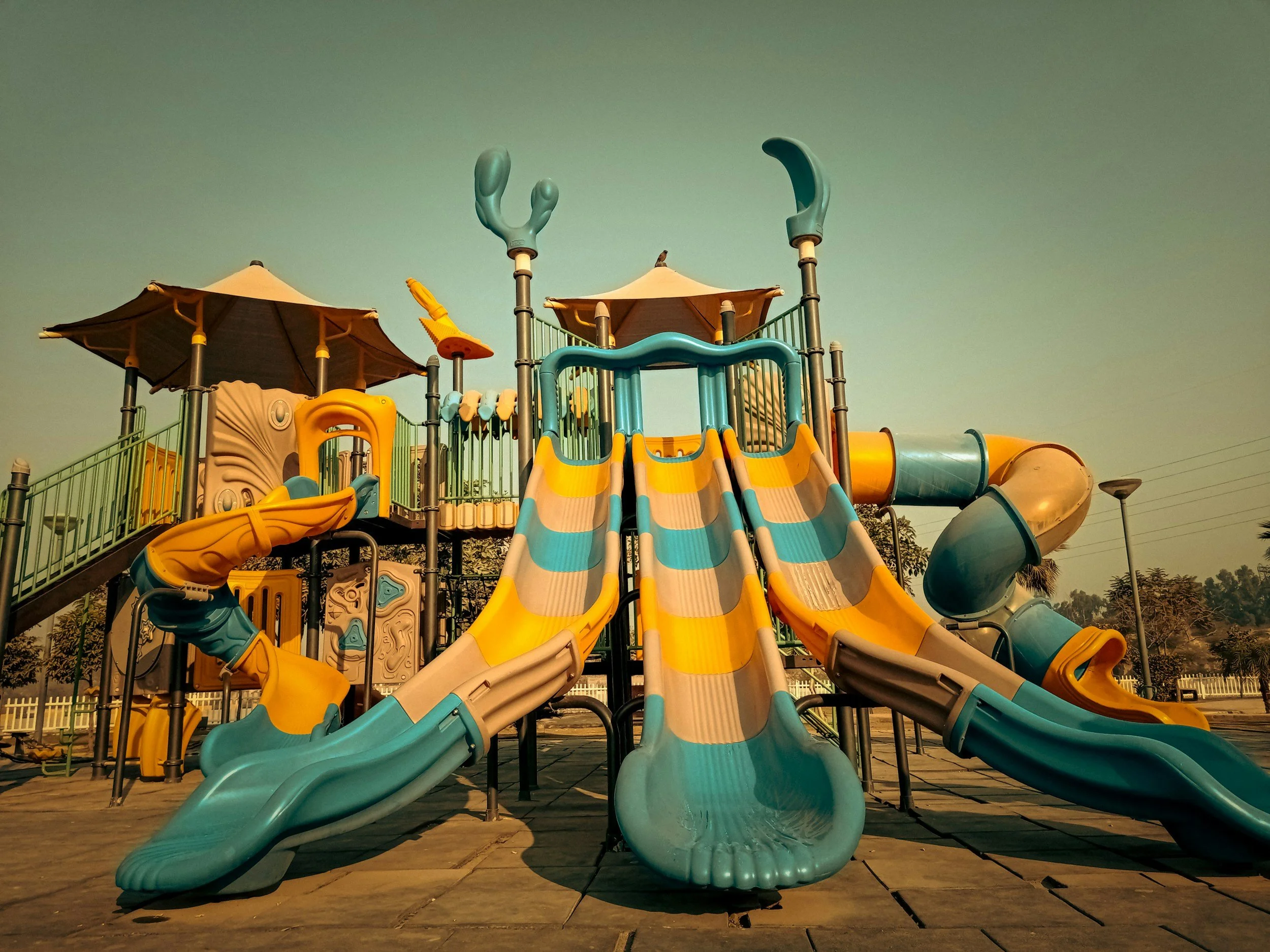
Where Early Childhood Education Meets Music, Theatre, Creativity, and Discovery
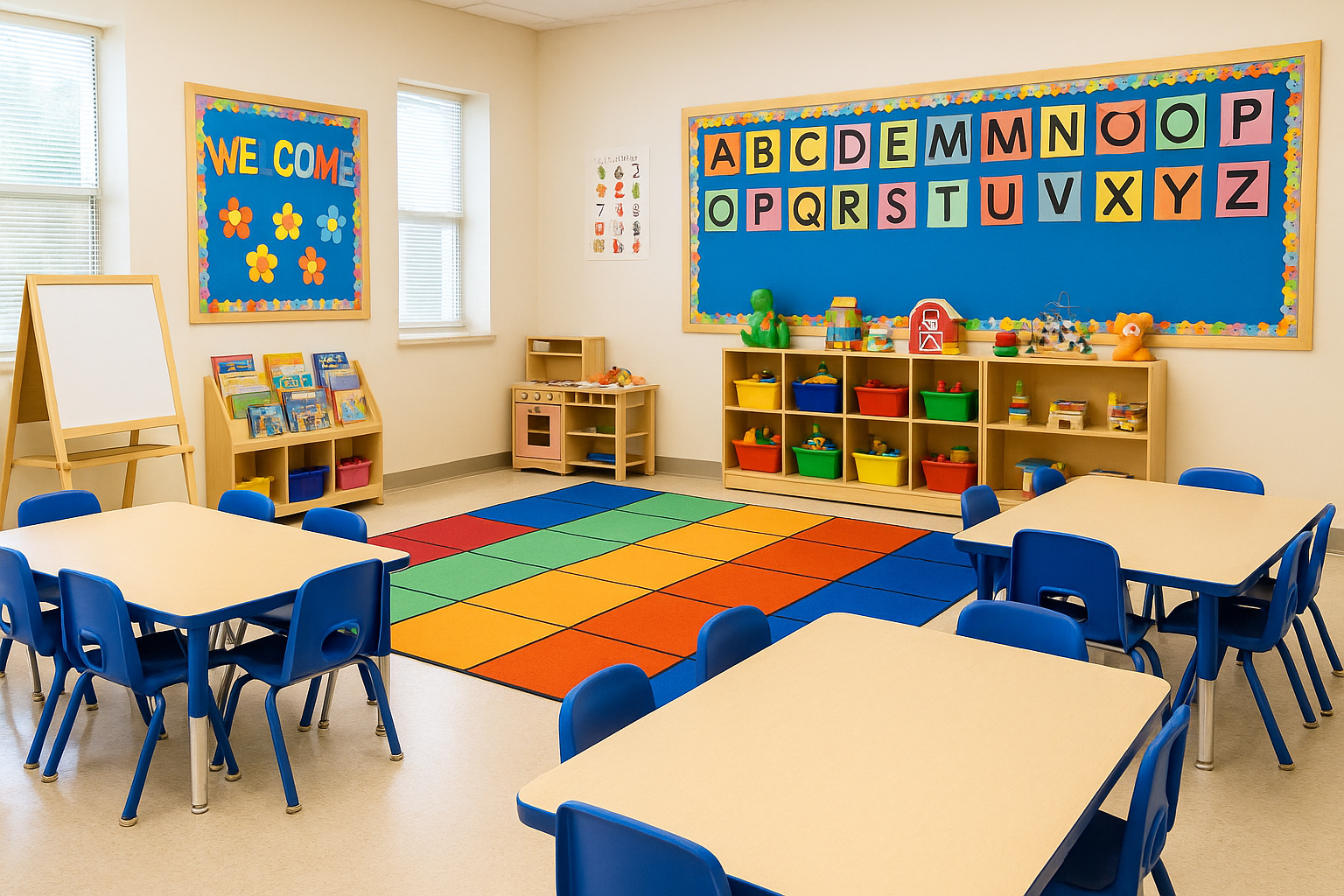
The Restoration Hall Early Learning Center is not a traditional childcare program. We are a School of the Arts for young learners, designed to nurture children ages 3–12 through a curriculum that blends early education, structured play, and daily exposure to music and theatre arts. Our goal is to support the whole child—academically, socially, emotionally, and creatively—during the most important developmental years of life
A Creative Approach to Early Education
Children learn best when they are actively engaged, inspired, and encouraged to explore the world around them. At Restoration Hall, we build our curriculum around creative expression and hands-on learning. Each day includes:
Foundational early education (literacy, numeracy, motor skills)
Music participation (rhythm, voice, simple instruments, movement)
Theatre exploration (storytelling, expression, imaginative play)
Social-emotional learning through creativity
Group activities that build confidence and communication
This approach ensures that children are not just being supervised—they are learning, discovering, growing, and building talents that may otherwise go unnoticed.
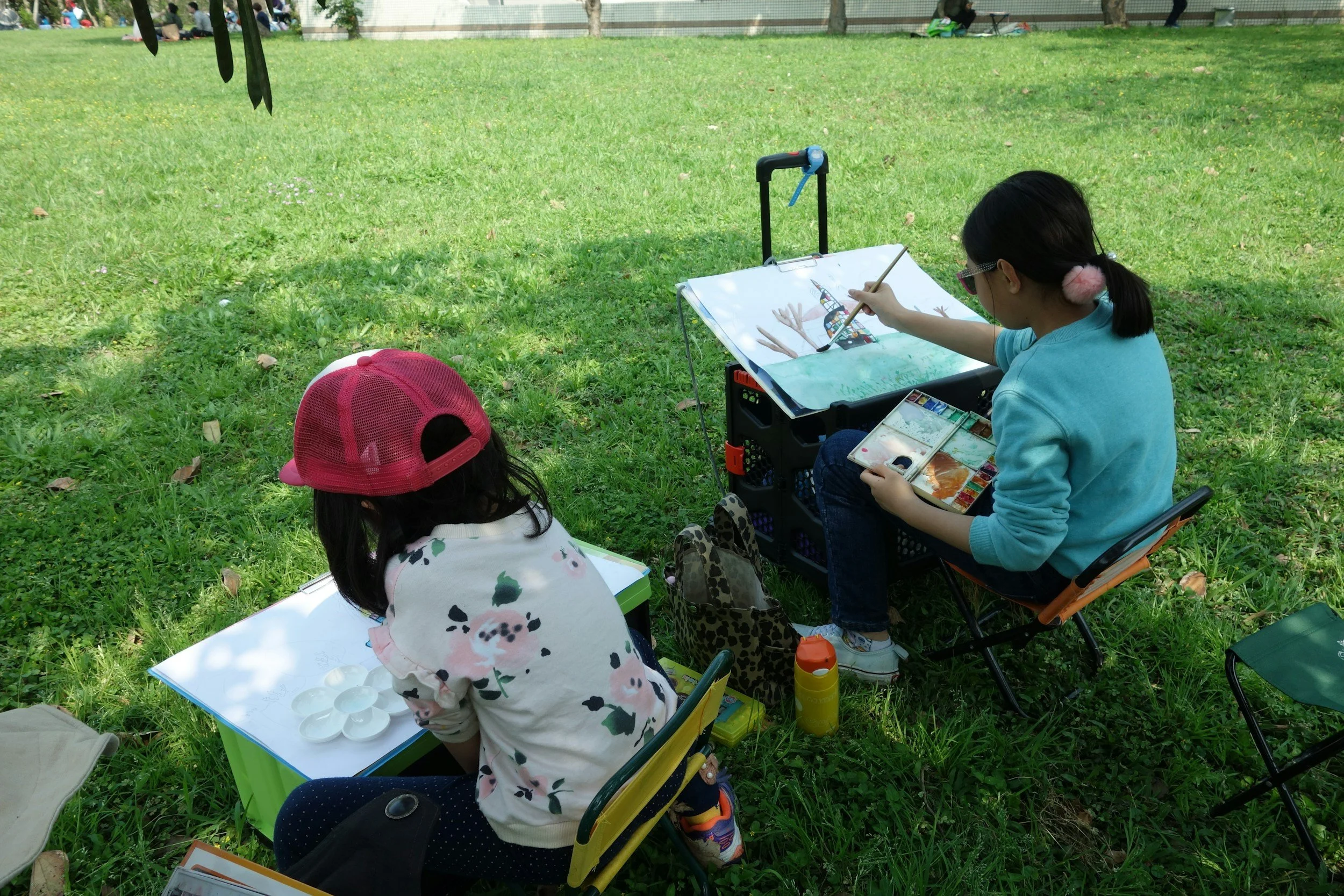
Discovering and Nurturing Talent
One of our core beliefs is that every child has artistic potential. Some children show interest in music, some in movement, some in dramatic play, and some in the magical world of storytelling. Our job is to uncover those gifts early, nurture them gently, and help children develop skills that will last a lifetime.
If a child shows interest in:
Singing
Dance
Rhythm
Acting
Musical instruments
Storytelling
—we identify it, encourage it, and give the child a path to explore that passion further.
Structured Learning, Not “All Play”
While children absolutely have fun at Restoration Hall, we emphasize meaningful learning over passive play. The program is structured, intentional, and designed to meet early learning developmental milestones.
Children are:
Learning through the arts
Practicing cognitive skills
Strengthening early literacy
Engaging in purposeful movement
Working together in groups
Developing life skills through creativity
The arts enhance attention, discipline, and routine—while also keeping children excited about learning.
A Safe, Supportive, and Enriching Environment
Restoration Hall provides a nurturing environment where children feel:
Included
Supported
Safe
Encouraged to be themselves
Children thrive when they feel seen and heard, and our arts-infused approach helps bring out each child’s unique personality and strengths.

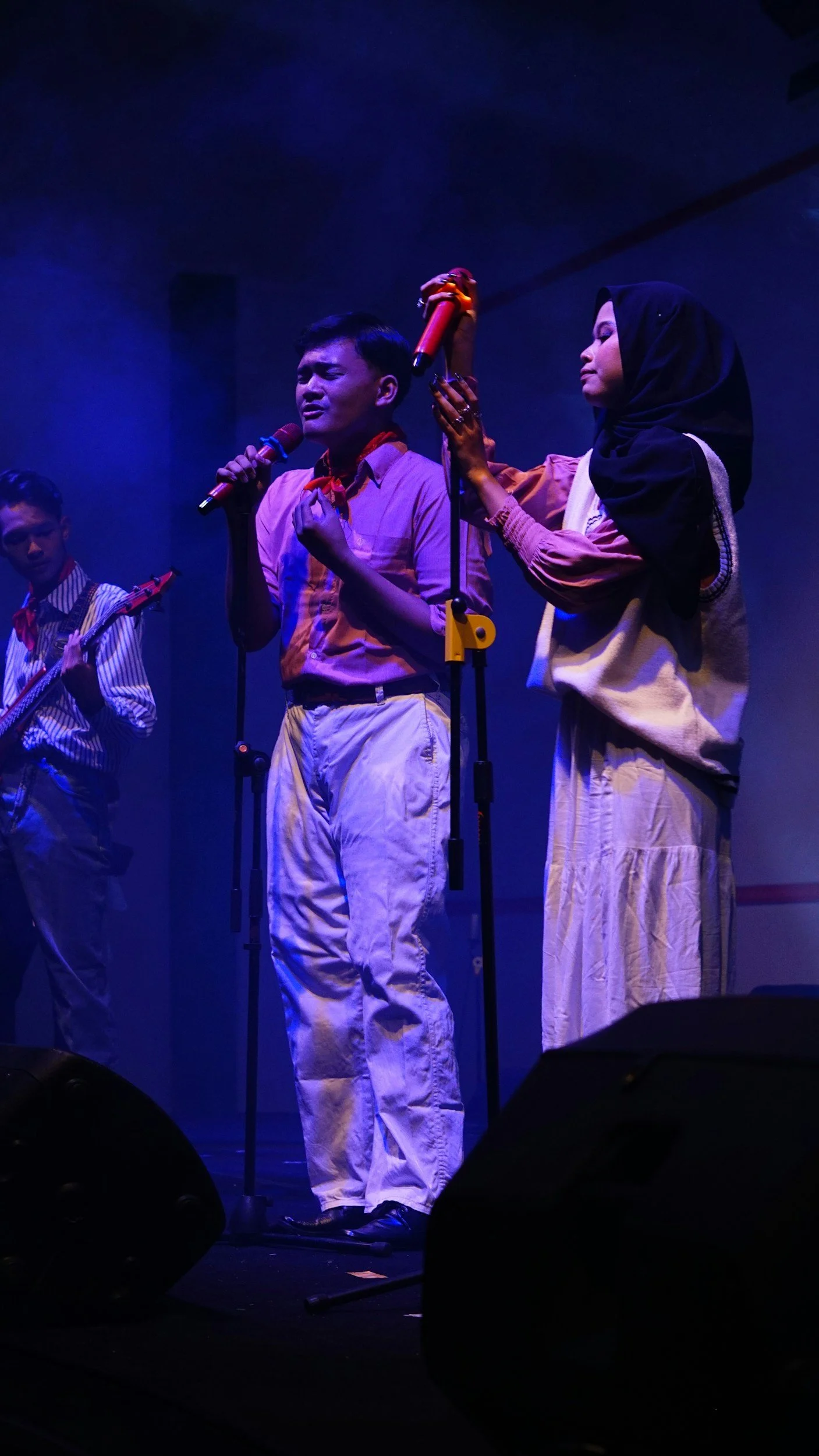

Music & Theatre as Core Curriculum Components
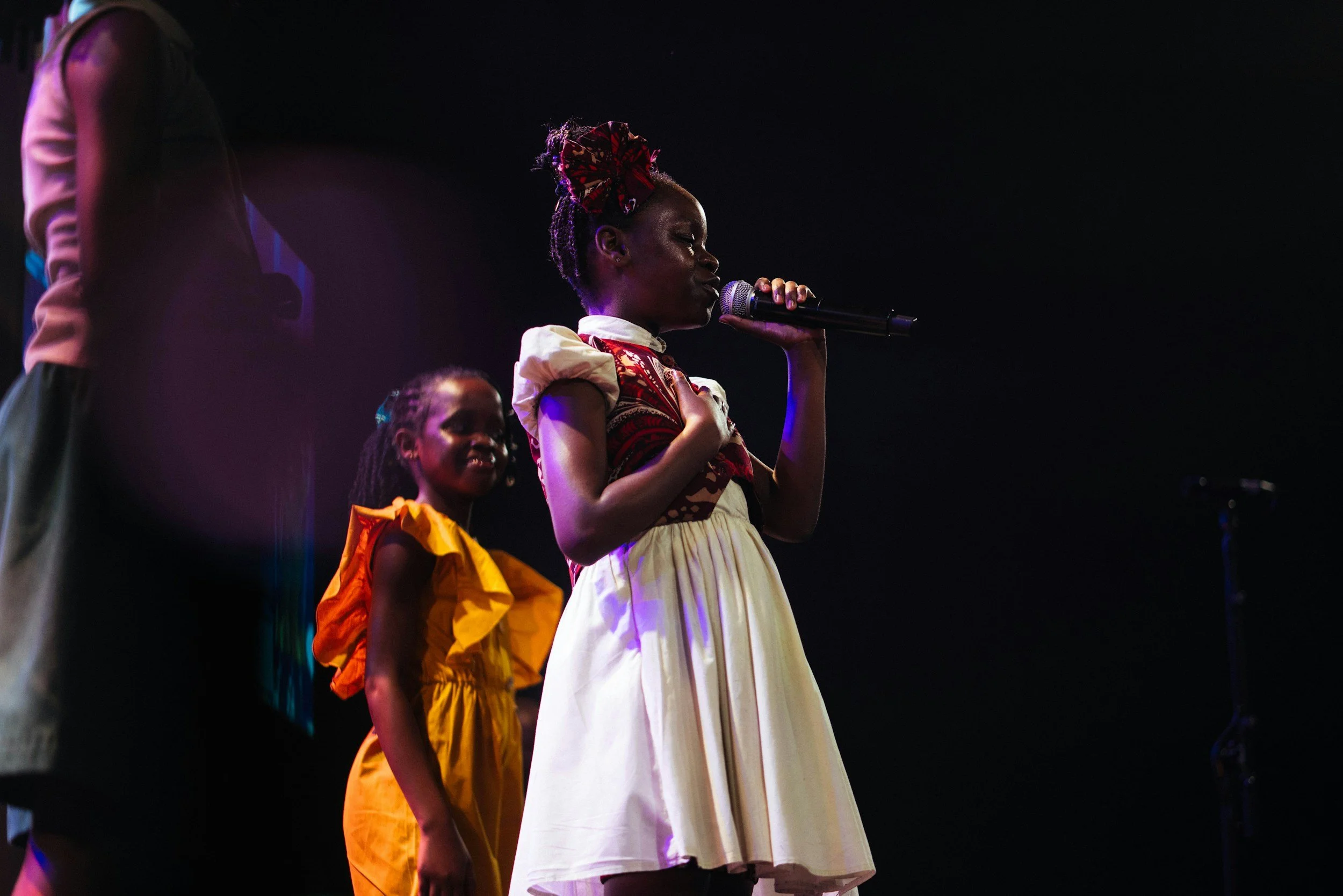
At Restoration Hall, music and theatre are not occasional activities—they are part of the structured daily curriculum. Children engage in:
Singing and vocal play
Rhythm and percussion lessons
Movement and creative dance
Dramatic play and character imagination
Storytelling and performance circles
Beginner introductions to stage presence and self-expression
These activities are led by trained staff and supported by The Celeste Theatre, our dedicated performance and creative arts space.
Through this approach, children develop:
Confidence
Creativity
Communication skills
Emotional regulation
Teamwork
Problem-solving
Early artistic talent
Whether a child is musically inclined or simply curious, our program creates opportunities for every student to shine.
Culinary Training & Community Nutrition Program,
“Restoration Hall is also developing an outdoor organic vegetable and herb garden, accompanied by a four-season greenhouse. This space will support hands-on learning for our Early Learning Center, after-school program, and youth ages Pre-K through 18. The garden will serve as a living classroom for nutrition education, science learning, leadership development, environmental awareness, and farm-to-table culinary training.”
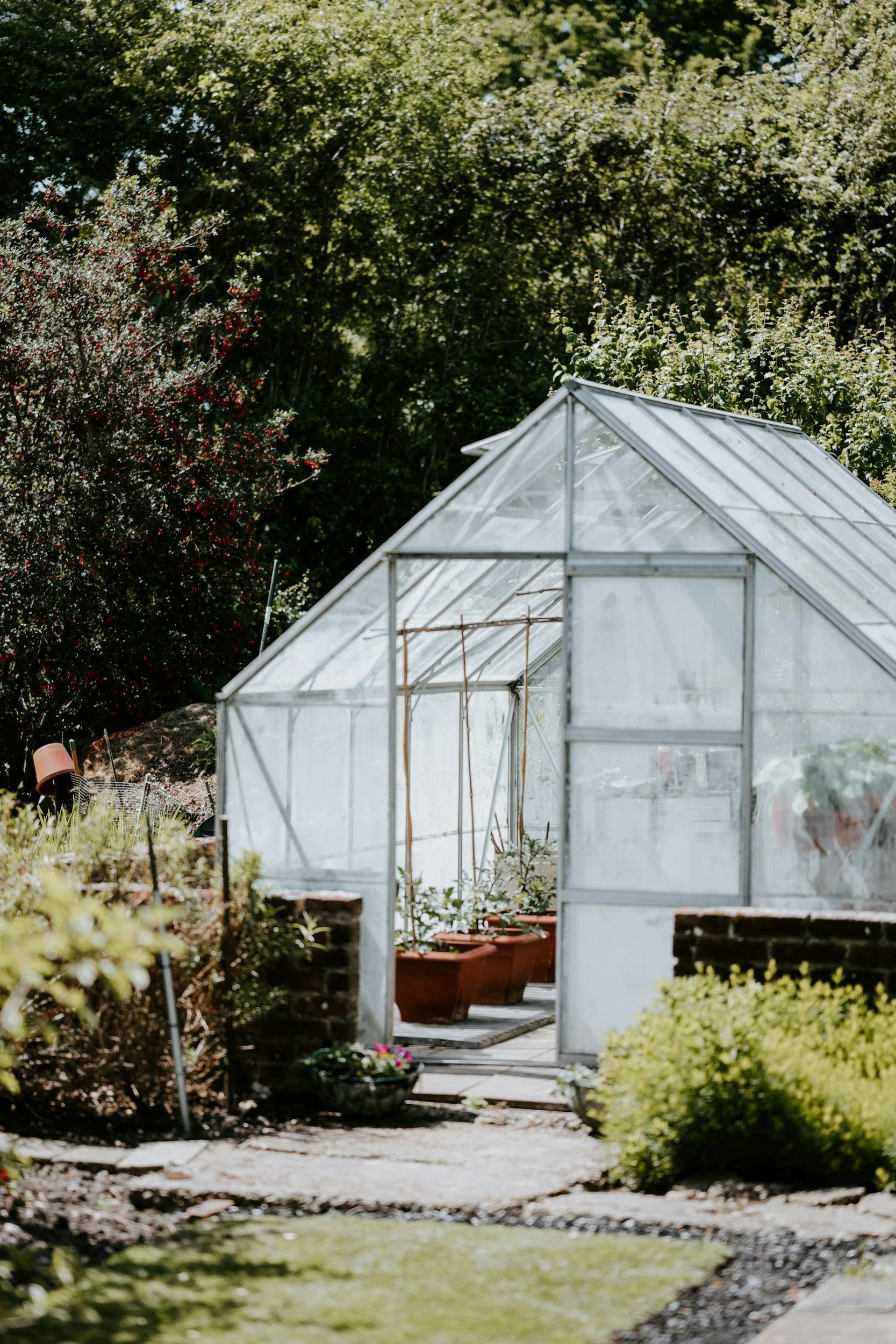
“The garden and greenhouse will allow youth to plant, grow, harvest, and prepare fresh produce, reinforcing lessons in responsibility, teamwork, healthy eating, sustainability, and self-sufficiency. Teens participating in workforce development will receive training in agricultural skills, horticulture, greenhouse operation, and culinary farm-to-table preparation.”
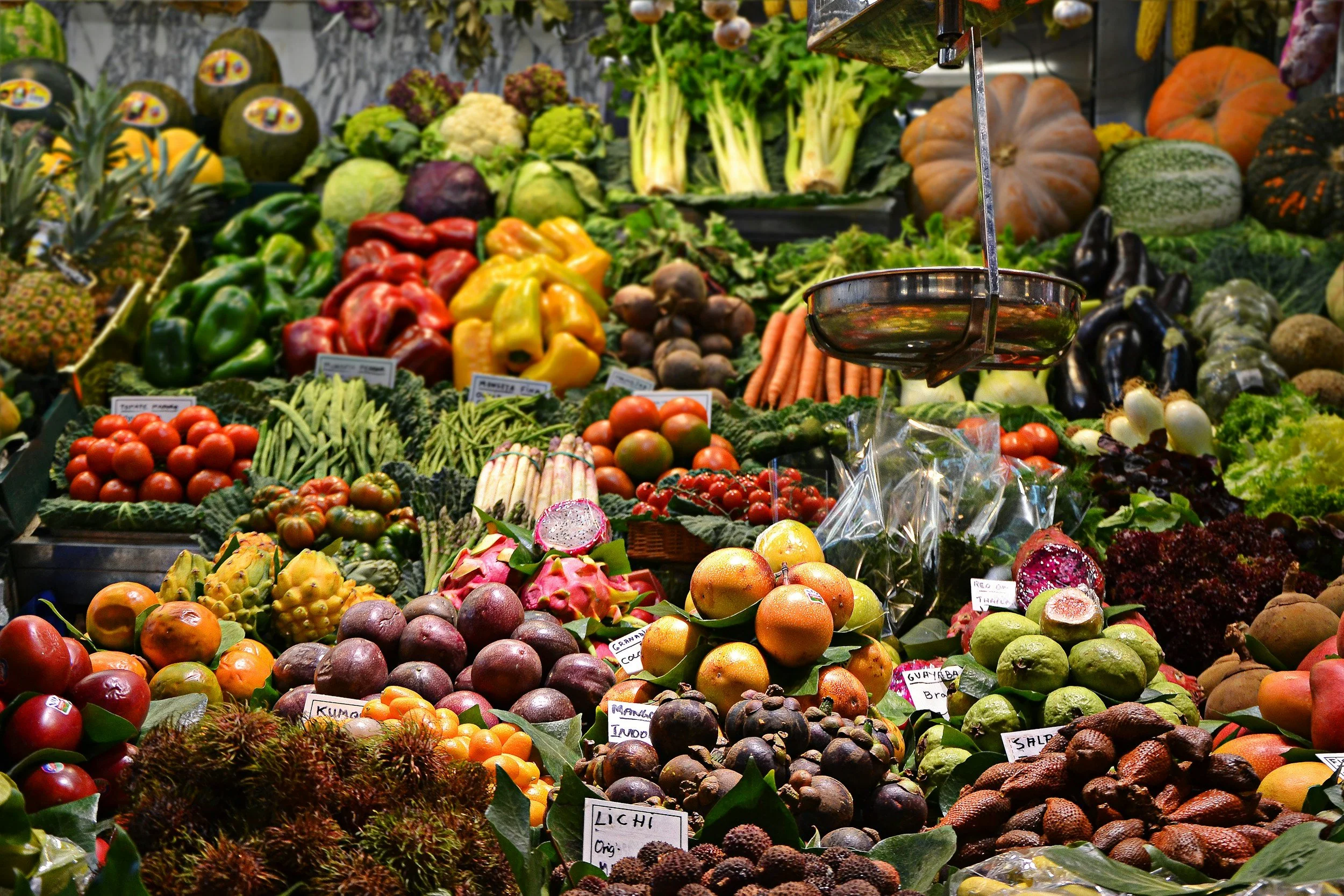
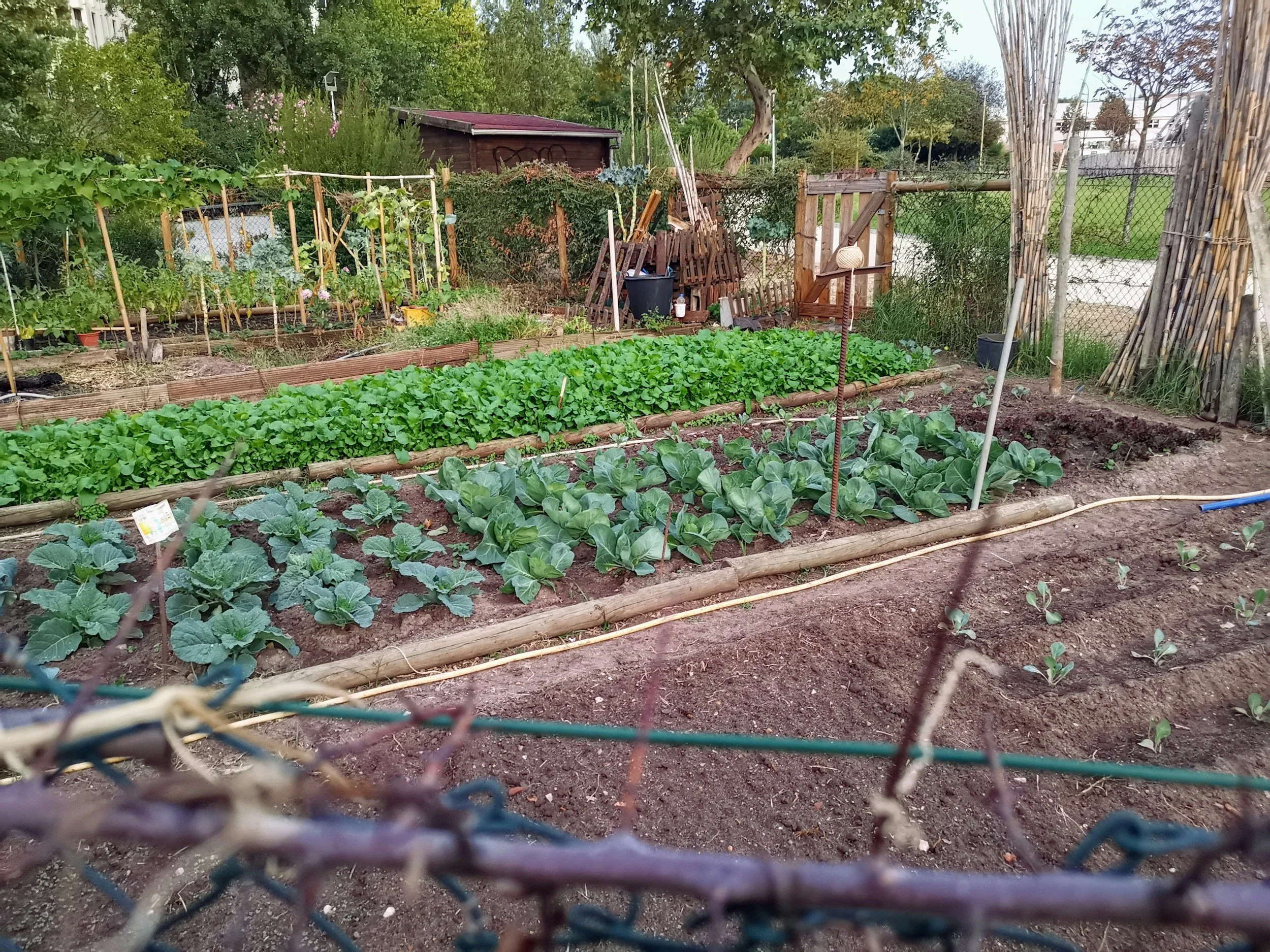
Youth Entrepreneurship & Financial Literacy Through Gardening
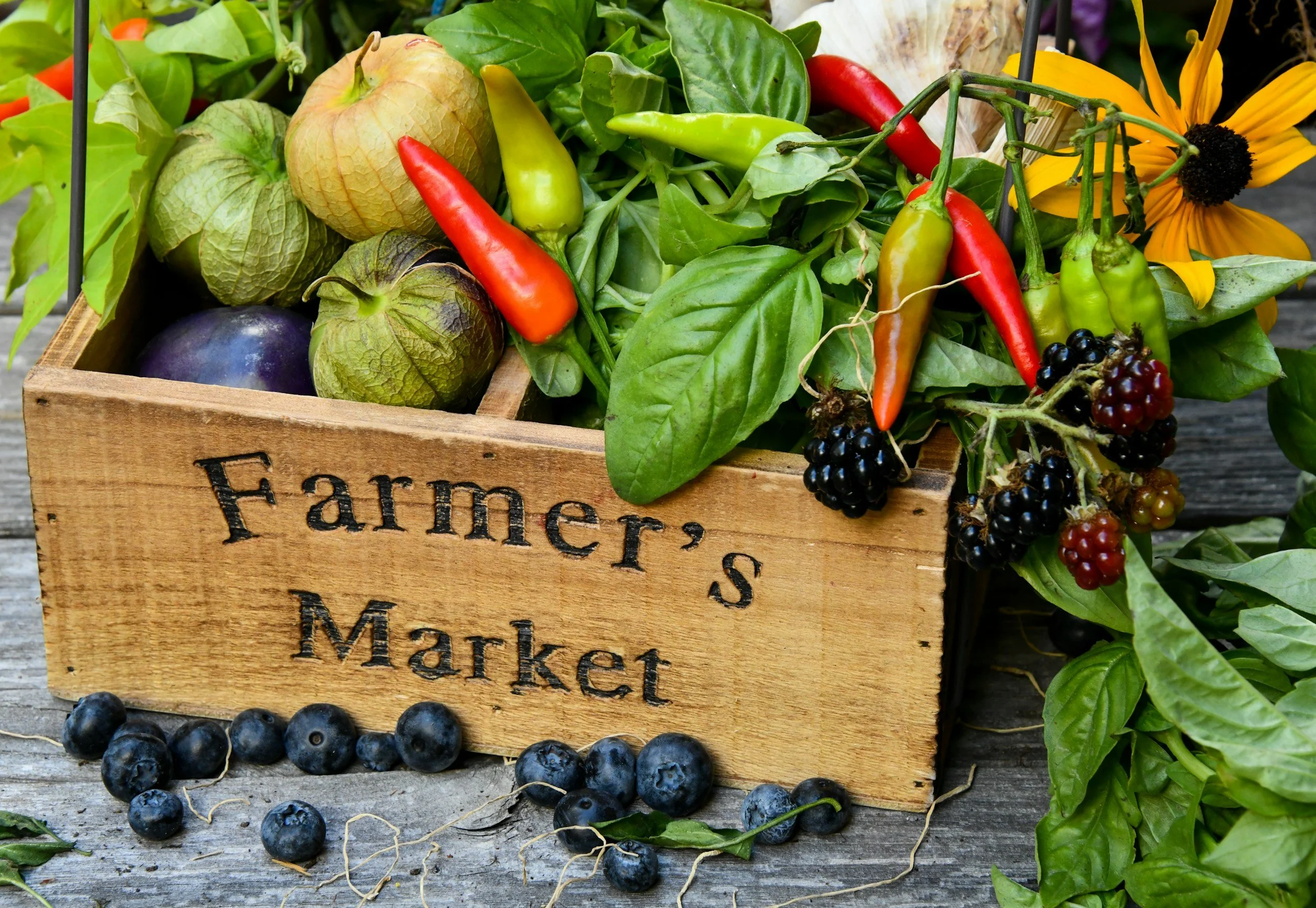
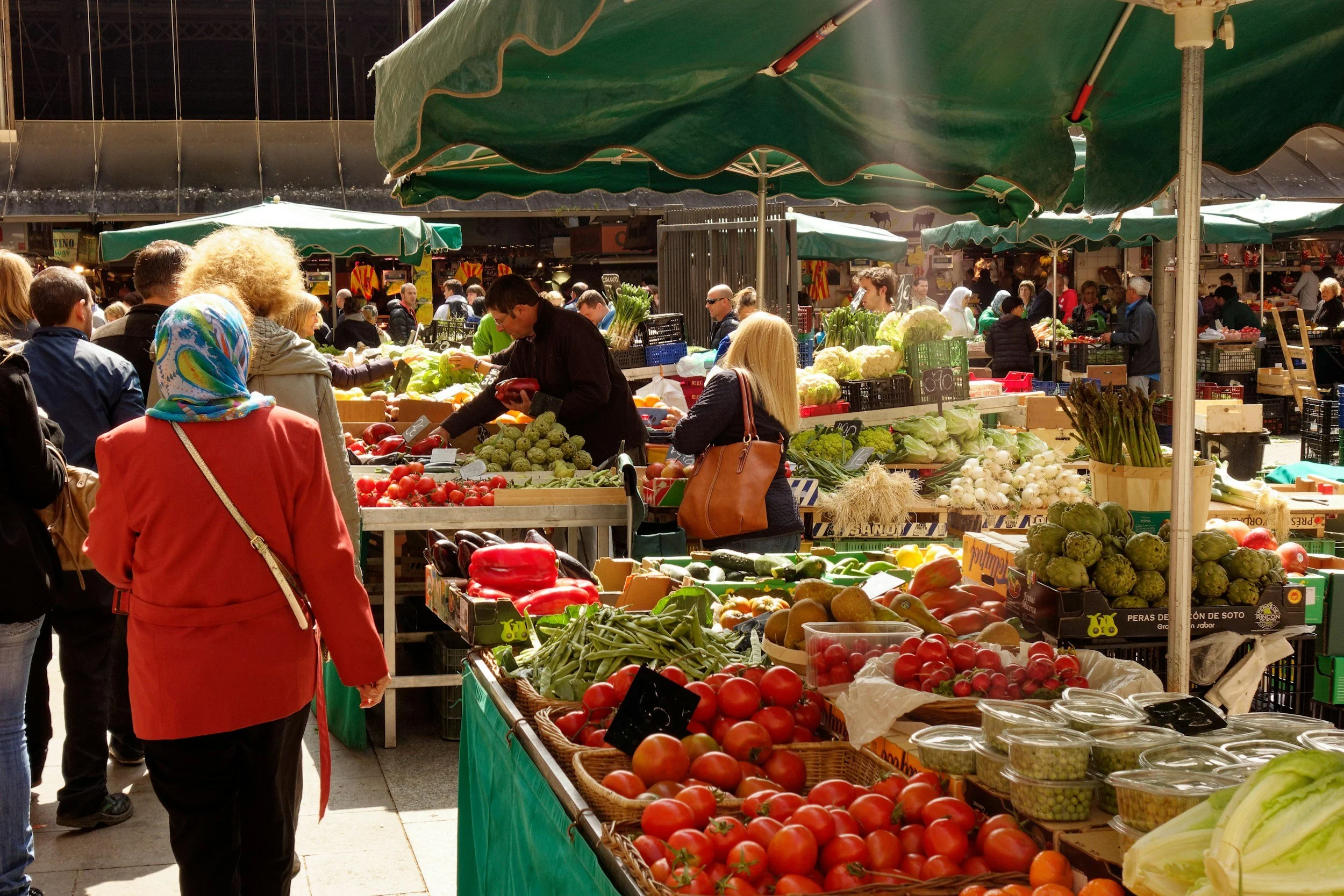
In addition to operating their own student-led community vegetable stand, youth participating in Restoration Hall’s garden and greenhouse program will have the opportunity to become certified youth growers and sell their produce at the local farmers market. Through this hands-on experience, children and teens learn not only how to plant, nurture, and harvest organic vegetables and herbs, but also how to participate in the local economy as real producers.
After completing safety, growing, and handling requirements aligned with local agricultural guidelines, students will be recognized as certified youth vegetable farmers, allowing them to bring Restoration Hall-grown produce to the farmers market. There, they will practice customer service, marketing, pricing strategies, supply management, and professional communication skills in a real business environment. This immersive, entrepreneurial experience teaches financial literacy, business ownership principles, teamwork, and community leadership.
All proceeds earned from the community stand and farmers market sales will be reinvested into educational field trips to working farms, greenhouses, orchards, and agricultural training centers. These visits provide deeper exposure to modern agriculture, sustainability, food systems, and the importance of healthy eating, helping to reinforce the seed-to-sale cycle learned throughout the year.
This program creates a powerful pathway for youth from Pre-K to age 18 to develop practical agriculture skills, entrepreneurship experience, and economic mobility while building confidence, responsibility, and community pride.
Belmont County faces significant challenges related to food insecurity, limited access to fresh produce, high poverty rates, and a lack of hands-on youth development and workforce training programs. Many families, veterans, and youth lack access to affordable healthy meals, practical cooking skills, or routes into quality employment. At the same time, the region struggles to retain young people and provide clear, constructive pathways toward stable adulthood.
There is currently no facility in our region offering an integrated culinary training program that combines nutrition education, hands-on cooking, agriculture learning, youth leadership, and economic mobility. A teaching kitchen, coupled with a youth-run garden and greenhouse program, fills a critical gap by empowering youth with real-life skills, creating healthier families, supporting positive youth development, and preparing participants for stable employment in regional foodservice, hospitality, agriculture, and culinary industries.
Restoration Hall’s Culinary Training & Community Nutrition Program will provide life-changing opportunities for youth Pre-K–18, veterans transitioning out of homelessness, and families striving to build a healthier future.